NUGEGODA, SRI LANKA

Small projects.
Big futures.

Through hands-on STEM and STEAM learning, children test ideas, design with others and grow confident explaining their own decisions.

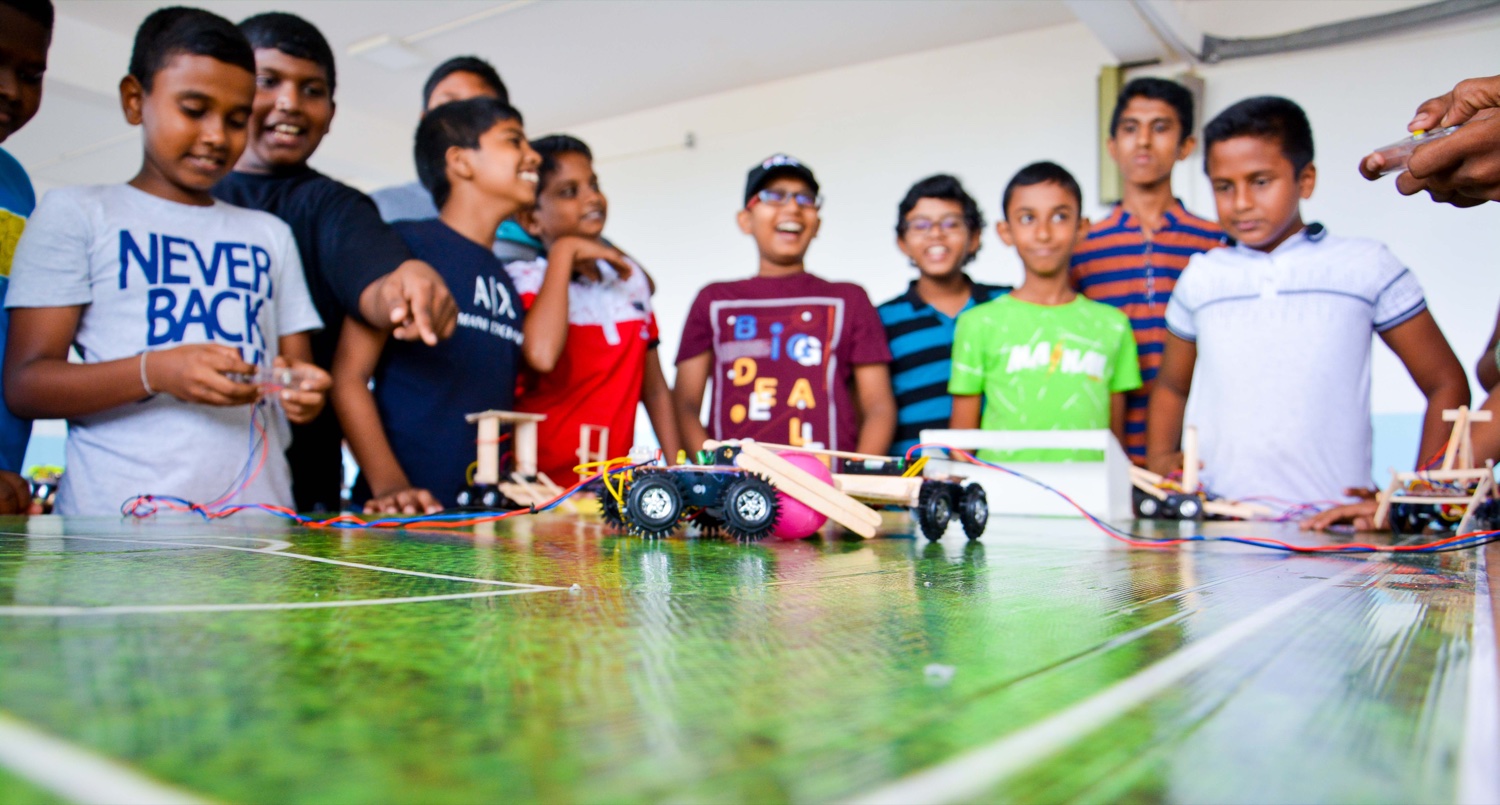
Students gathered around a workbench to watch their robots being tested, from the STEM Labs archive
Learning by doingSTEM LABS ARCHIVE
INSIDE STEM LABS

See the work
for yourself.

6 published lessons

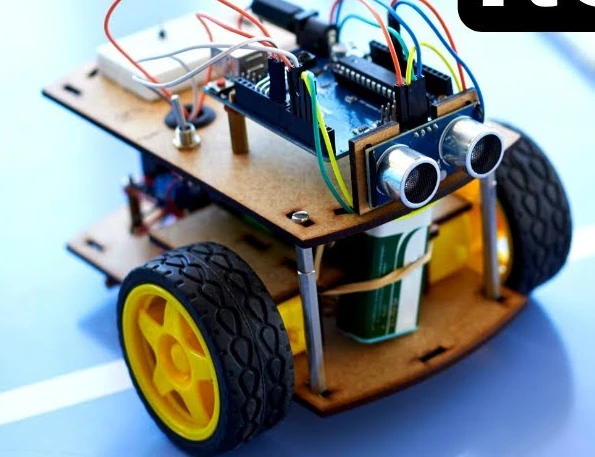
Follow the institute’s rover build, from motor tests to obstacle detection.

Inspect the lesson plan

School workshops

Look inside classrooms and project demonstrations from the institute’s archive.

View workshop photos

Free 1-to-1

Talk through your child’s interests, experience and next step with STEM Labs.

Arrange a conversation
THE NINE FUTURE SKILLS

One small ferry. Nine ways to grow.

Step into a maker’s shoes. Choose a skill and try a decision from the ferry challenge or one of its extensions.

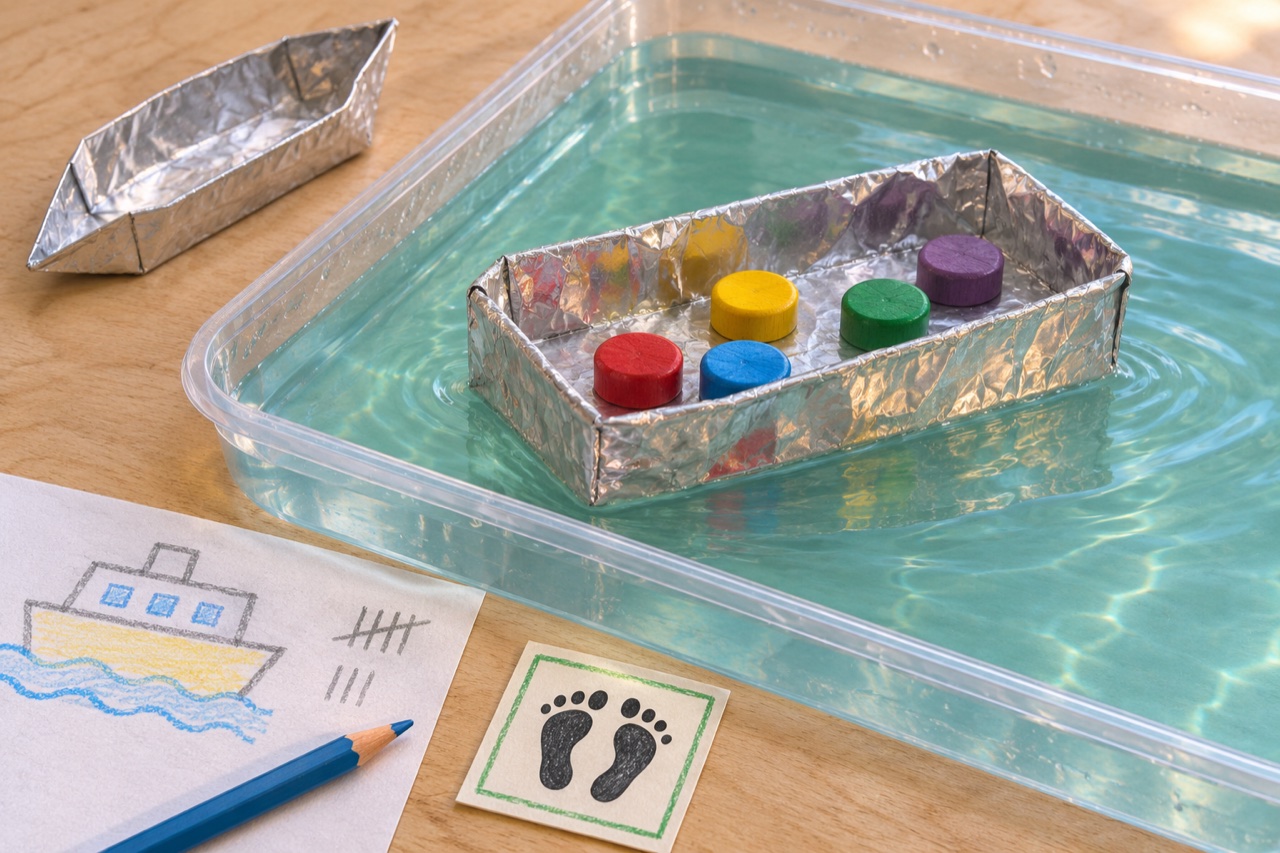
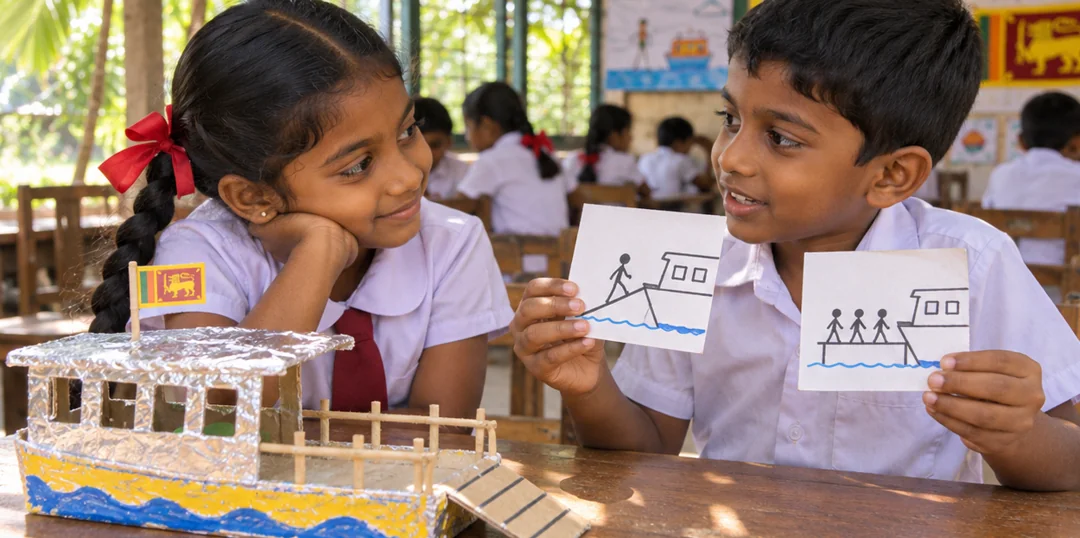
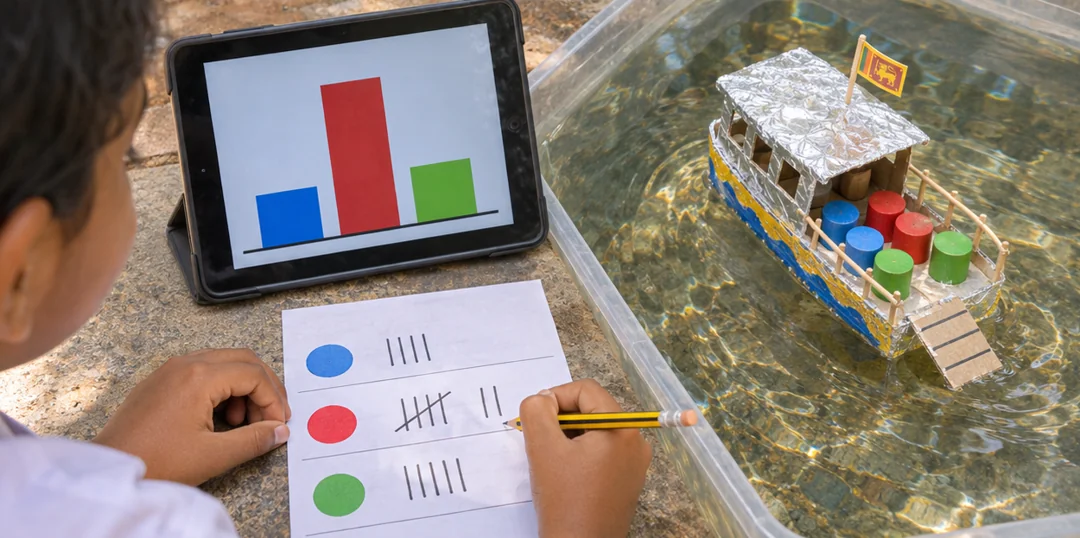
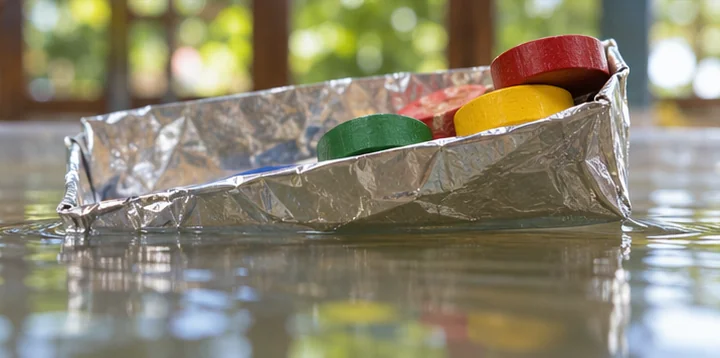
A foil ferry floats with wooden passenger counters inside.
Compare the load · Illustration
Critical thinking

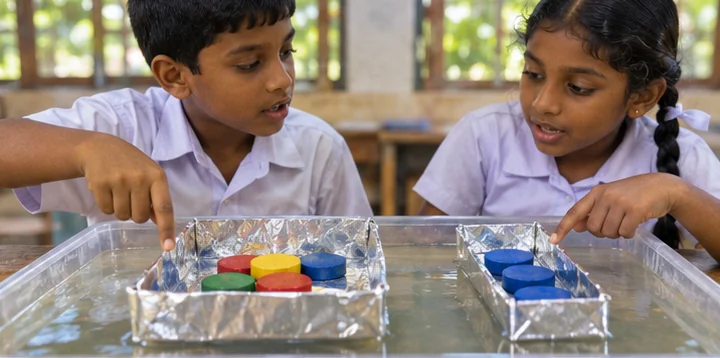
The second ferry carries more. Why?

Your team widened the hull and moved the counters. Two things changed. Choose a way to investigate.

Which would you try?

Keep the load in place. Change the hull.

That isolates hull shape. Use equal foil sheets and add identical counters in the same order. A repeated result gives the team stronger evidence.

Keep the hull. Move the load.

That isolates balance. Move the same counters towards one side, then towards the centre. You can investigate hull shape in a separate trial.

What to look for

Listen for a reason to keep one thing the same.

Beyond the lab

Comparing two explanations before deciding which to trust.
Read the nine skill outcomes
OUR STEM & STEAM APPROACH

What makes a project STEAM?

STEM brings science, technology, engineering and maths together to investigate a problem. STEAM adds the arts, giving learners a way to design for people and communicate what they discover.

In the proposed Grades 2–5 ferry project, a child designs both a hull that floats and a sign a passenger can understand. The second test needs another person’s eyes.

See the Grades 2–5 course
  1. Science

    Predict when water will enter the hull. Test the prediction and look for a pattern.

  2. Technology

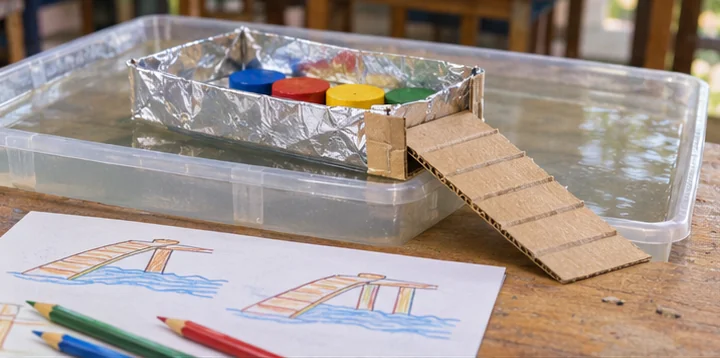
    Create a boarding sequence with instruction cards. Older learners can animate the sequence in block code.

  3. Engineering

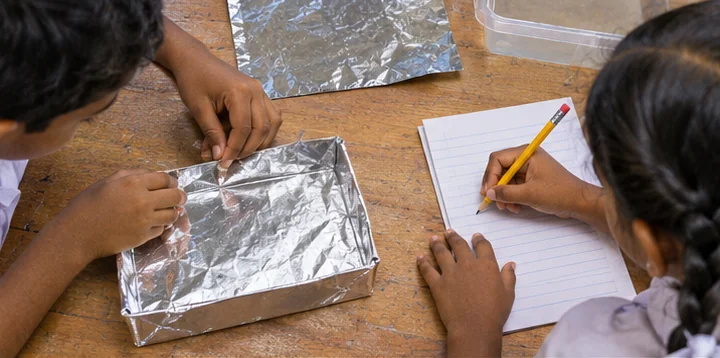
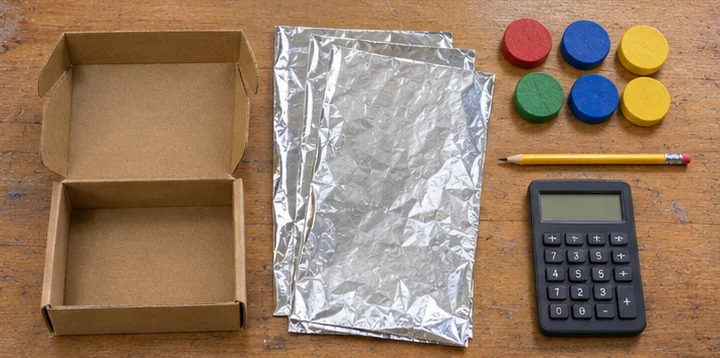
    Fold two hull shapes from equal sheets of foil and improve one after a load test.

  4. Arts

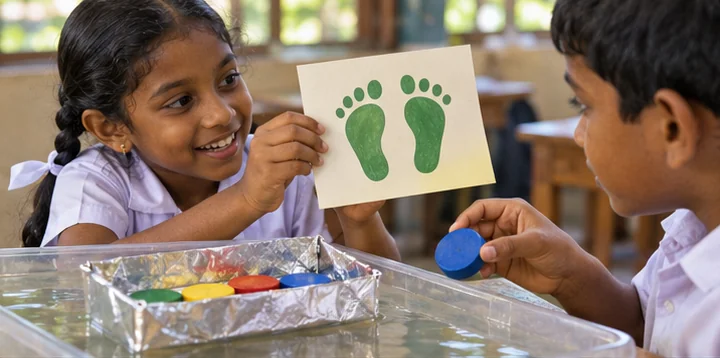
    Design a boarding symbol. Give it to a visitor and see whether its shape and colour convey the intended action.

  5. Maths

    Count the passengers each hull carries and compare the results in a drawing or table.

THE LEARNING LADDER

Where can a first build lead?

Start with a model ferry in Grades 2–5. Follow the proposed route from testing an idea with a partner to making a case for a venture.

Explore the learning ladder
FREE 1-TO-1 COUNSELLING

Where could your child start?

Tell us what they love making, what feels tricky and what they’d like to try. We’ll explore a starting point together.

Book free counselling